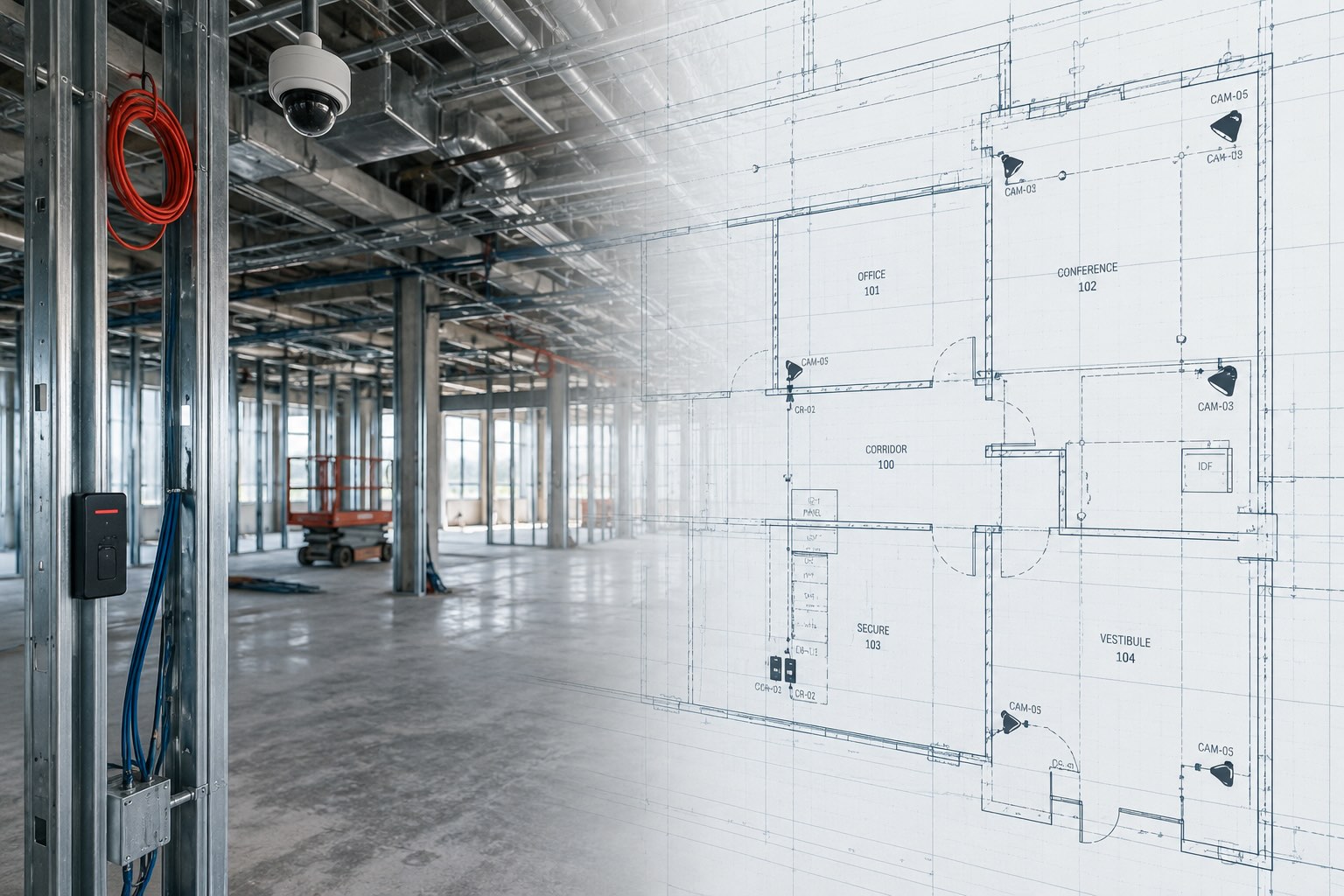
What Field Experience Brings to Security System Design
Field experience adds practical insight to security design, helping improve constructability, coordination and maintenance...
With the rising cost of higher education and an uncertain economic landscape on the other side of a four-year degree, parents and students are re-evaluating the college experience and asking questions like:
Higher education institutions are looking for ways to justify enrollment. Creating the best campus experience is a strong draw but with decreasing student populations comes decreased funding streams to make improvements. Institutions need to be strategic about their investments; if they don’t prove their value, they may not get a chance to try something else. The pressure is on to get it right the first time, and to get it done as efficiently as possible.
As discussed in our recent Q&A with an acoustics engineer, acoustics is fundamental to how people experience a space or place from a sensory perspective. Effective acoustics enhance comfort, health, wellbeing, safety, and inclusivity. In educational environments, well-designed acoustics support improved attention, clearer speech perception, and stronger listening comprehension, helping all students engage more fully in the learning experience.
This effect is even more pronounced in non-native speakers and neurodivergent and disabled students. Institutions need to design for more than the bare minimum in order to remain competitive, campuses need to provide an experience that students, staff, and even the general public can’t replicate at home.
To build a unique, holistic experience, colleges and universities are starting to analyze how the campus functions as a whole. Buildings need to function not only on their own, but within the existing ecosystem. Creating consistent experiences helps users feel comfortable and know what to expect, even when stepping into a brand new space. This applies to the technology that increasingly defines what a classroom looks like, the sensory experience of being in the room, and even what to expect on the other end of a virtual classroom.
Building a campus as a complete entity also introduces new opportunities to promote equity and inclusivity. For example, wayfinding strategies such as textured pavers, electroacoustic beacons, and physical acoustic markers (e.g. curved geometry to focus sound or significant changes in reverberance) significantly improve the experience of the blind and visually impaired community. Multi-sensory experiences in transitory spaces can bring a sense of whimsy and playfulness to what would traditionally be just a boring walk to class and encourage engagement with the physical campus.
This holistic planning and design philosophy is in alignment with the latest in thought leadership. The Society for College and University Planning (SCUP) Strategic Plan for 2024-2029 “models an integrated planning approach” to shape a future that is inclusive, innovative, and responsive. The acoustic design needs to align with the strategic goals of the institution and campus vision to be fully integrated.
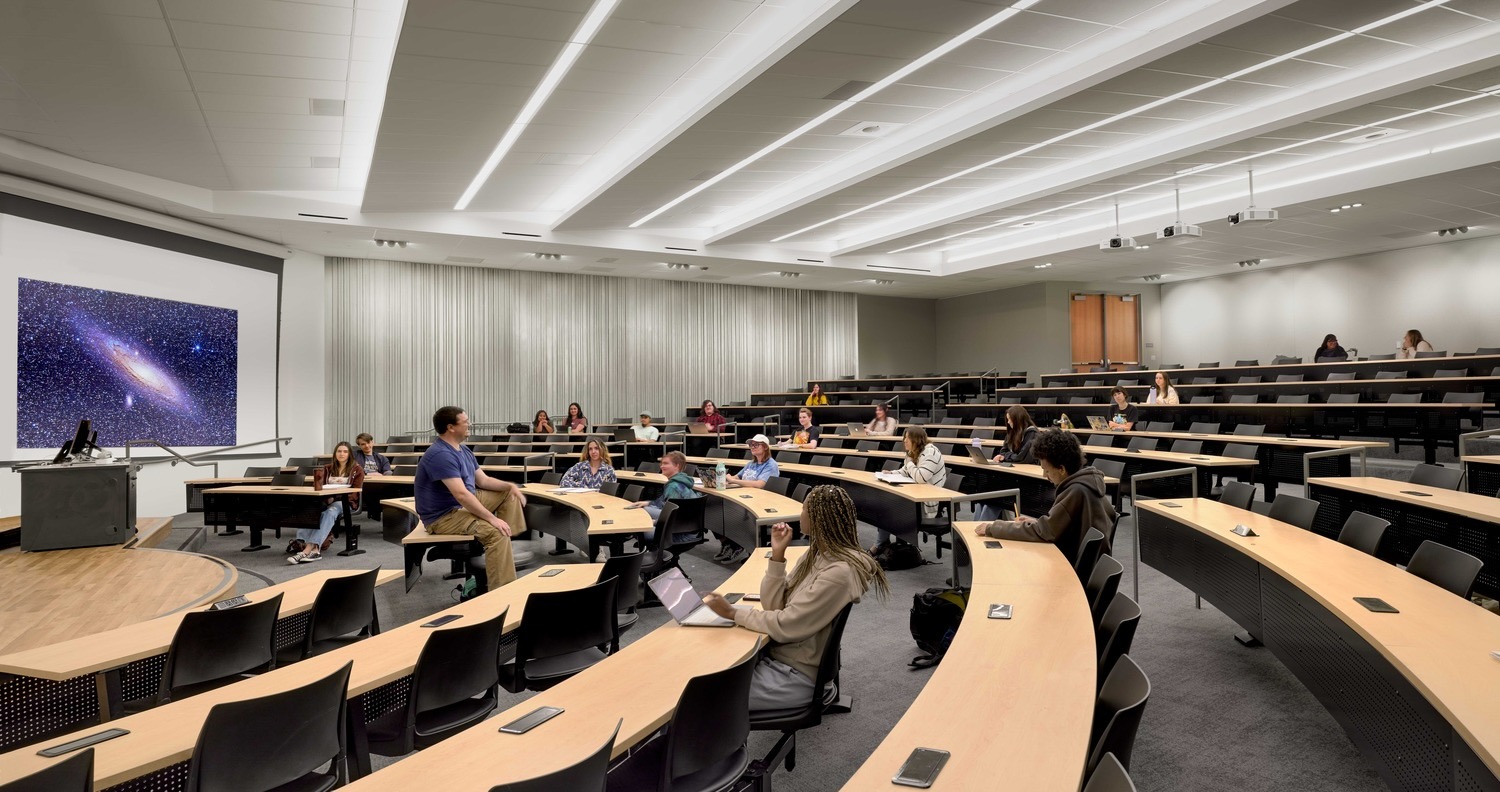
The needs of higher education campuses are expanding beyond just a student’s education. Physical space needs to be as multi-functional and flexible as possible to maximize usefulness. Lecture halls are rented out for conferences and weddings, become broadcast facilities for high-profile events, and shift between countless seating and furniture layouts. Rooms that serve 20 students one hour may need to accommodate 200 wedding guests the next. Campuses can become ‘third places’ for their surrounding communities, attracting not only staff and students but the general public.
Designing future-ready spaces is becoming a matter of infrastructure, including options so that campuses can easily pivot depending on their needs. This can look like adjustable acoustics, reconfigurable walls, mobile displays, distributed connection points, and extra headroom day one for future expansion. With the speed of innovation, it doesn’t make sense to completely optimize one space for the needs and technology of today, instead institutions can strategically spread their budget over the entire campus to make sure it has the flexibility to bend and stretch as needed for what comes next, while consistently providing a safe and comfortable user experience.
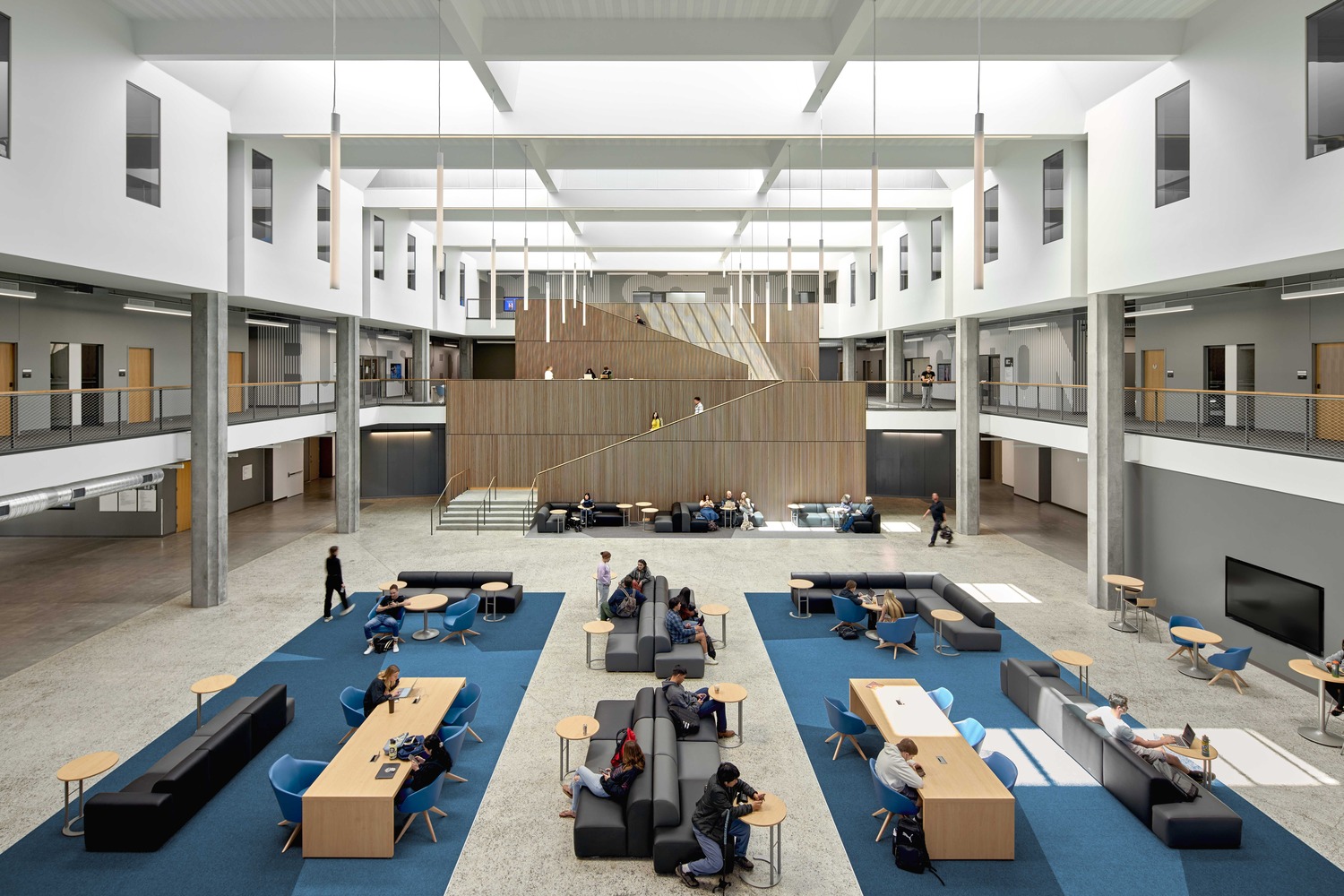
While traditional classrooms are becoming endlessly flexible, there are also completely new space types that will need to be considered. For example, bookless libraries may be the future. How do you create zones for focused work, study, and collaboration without the natural acoustic dividers of bookstacks? The acoustic environment can drive whether students choose to gather in the new library or in their dorm’s common room.
Acoustics can be a particularly opaque area of design. Clients ask consultants all the time, “what does a 5 dB change actually sound like?” Acoustic mitigation can be costly, and campus leadership want to know that what they are paying for is worth it. We can help guide these decisions, primarily through three methods:
Establishing acoustic environments through benchmarking, auralization, and mock-ups are important steps to get it right the first time. Modifications or upgrades during construction are significantly more expensive than exploring simulated options during design.
Acoustics sits at the intersection of architecture, engineering, pedagogy, and facilities operations. Defining acoustic goals early and often throughout the design of the whole campus and individual elements can shape how students, staff, and the public interact with the spaces around them. Lively environments drive collaboration and conversation, quiet zones attract those looking for focused work, and strategic interactive interventions can bring focus back to the human experience of living and learning on campus.
TEECOM is a leader in providing innovative acoustics solutions across a wide variety of project types. With a strong focus on collaboration, TEECOM partners with stakeholders through all project phases to deliver high-quality, tailored acoustic designs that enhance user experience and functionality.
We offer comprehensive acoustics consulting services for all space types. Our team conducts thorough acoustical assessments and develops customized solutions that meet the specific requirements of classrooms, labs, residences, health and wellness centers, and more. Whether it’s maximizing speech intelligibility in highly flexible lecture halls or mitigating noise and vibration concerns in sensitive labs, we provide the expertise and solutions to ensure successful project outcomes.
For more information on our services and how we can support your project, contact us today.
Robby Deem is a Principal, Vice President at TEECOM, responsible for leading the acoustics design team and overseeing multidisciplinary projects across a wide range of sectors, including higher education, arts & culture, workplace, healthcare, and science & technology. With nearly 15 years of experience in acoustic consulting, Robby brings an extensive background in architectural engineering, performance-based design, and delivering technical excellence. His approach prioritizes collaboration and effective communication, consistently integrating sustainability, health, and well-being features into every project.
Kaitlin Baker is an Associate at TEECOM who designs thoughtful, performance-driven acoustic environments across diverse sectors. For over five years, Kaitlin has cultivated broad expertise across broadcast, arts, science, aviation, commercial property, healthcare, and multi-family residential markets. She is a trained bassoonist who combines her musical experience and technical foundation in acoustics to bring a unique perspective to design and collaboration. Kaitlin believes acoustics play a vital role in creating healthy, safe, and inclusive spaces, and values prioritizing the individual needs of clients and users, designing environments that truly work for the people who inhabit them.
Stay ahead of the curve with our latest blog posts on industry trends, thought leadership, employee stories, and expert insights.