Beyond 100 Meters: When Extended-Reach Copper Makes Sense
Extended-reach copper can help solve connectivity challenges beyond 100 meters. Explore the benefits, tradeoffs and options...
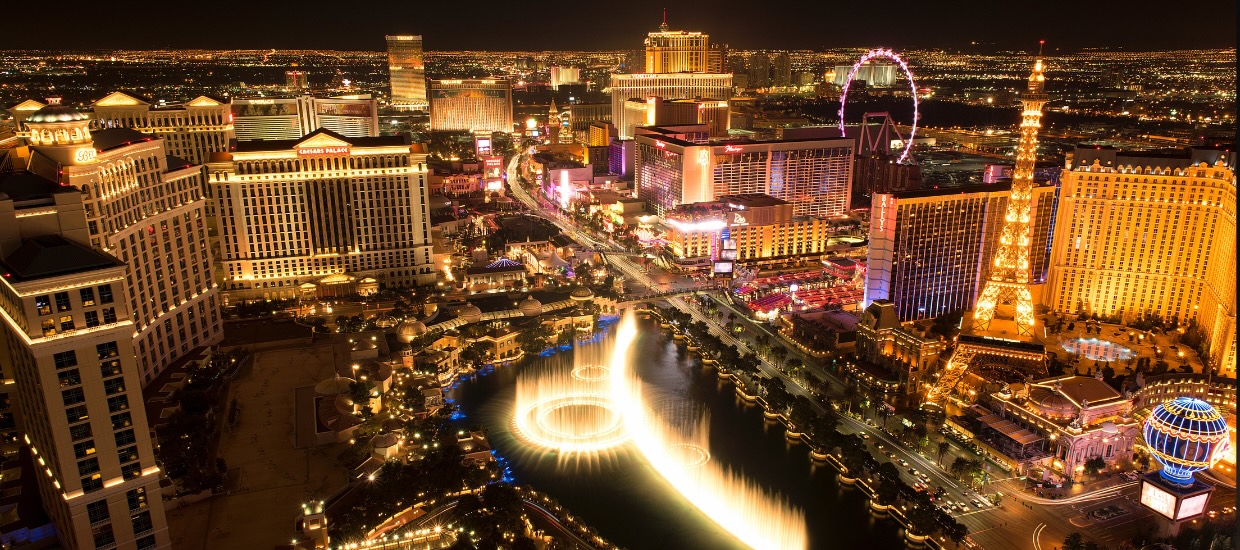
ISC West 2026 sent a clear signal: the security and technology markets are accelerating at a record pace. With attendance well above pre-pandemic levels, the energy on the show floor reflected an industry that is more vital and complex than ever.
For the TEECOM team, the event was an opportunity to showcase our security expertise and engage in high-level strategy sessions at our first-ever ISC cabana. By stepping away from the noise of the show floor, we were able to have deep, candid conversations with our partners in the mission critical, workplace, healthcare, and other key market sectors about the future of protected environments.
Here are the three key themes that defined our time in Las Vegas.
The mission critical and data center markets continue to be the engines of the global economy. However, the sheer volume of work in this sector has created a unique set of challenges regarding talent and long-term sustainability. Engineering for critical facilities requires a level of precision and uptime reliability that is now being demanded across all sectors.
Our recruiting and technical teams heard a consistent message: the industry is looking for resiliency, not just in infrastructure, but in people. While the current pace of global data demand is intense, TEECOM stands out by offering a diversified approach. By applying critical facility rigor, such as redundant system architecture and hardened physical security standards, to our work in other market sectors, we provide our team with a variety of project work. Allowing our team to work across different markets creates more optionality in the types of projects they can take on and the experience they build. It also allows for the opportunity to jump into diverse projects, adding variety and exposure across different teams and scopes. We aren’t just building for today’s demand; we are investing in a sustainable talent pipeline capable of navigating the high-stakes requirements of the future.
In previous years, AI was often discussed as a future-state luxury. In 2026, it is now the baseline for system evaluation. In conversations with our global enterprise clients, it became clear that AI and computer vision are now embedded in the initial design phase, rather than treated as a software add-on. As organizations look to move beyond the infinite pilot, the focus has shifted from simple deployment to technical outcomes and ethics:
Many organizations are transitioning from project-based execution to long-term strategic partnerships focused on developing a robust technology vision. This approach fosters collaboration and lays the groundwork for ongoing innovation and success.
As technology providers position themselves as platform owners and integrators move further upstream, TEECOM’s value as an independent advisor is more critical than ever. Our clients are asking for technical roadmaps that address:
The role of the consultant is no longer just about designing systems; it is about helping clients make better decisions across technology, risk, and operations. As the market continues to grow, TEECOM remains positioned at the bridge between IT and physical security, helping our partners navigate complexity with confidence.
Were you at ISC West 2026? We’d love to hear your insights and continue the conversation. Connect with us to discuss how we can work together to drive the future of security design.
At TEECOM, our security expertise is built on the intersection of systems, people, and processes. We go beyond specifying technology to provide holistic assessments and integrated designs that keep your assets and personnel safe. From developing global security standards to ensuring seamless coordination across IT networks, power systems, and building interfaces, we partner with you to build resilient solutions that support your mission rather than impede it.
Stay ahead of the curve with our latest blog posts on industry trends, thought leadership, employee stories, and expert insights.